
Understanding Pressure-Temperature Ratings for Industrial Valves
Industrial valves are essential components in piping systems, controlling the flow, pressure, and direction of liquids, gases, steam, and other process media. However, selecting a valve based only on its nominal pressure rating can lead to serious design and operational problems. A valve’s ability to withstand pressure changes with temperature. As the operating temperature increases, the allowable pressure rating of many valve materials decreases. For this reason, engineers must evaluate pressure and temperature together when selecting valves for industrial applications. Understanding pressure-temperature ratings helps ensure that valves are suitable for the intended operating conditions and can provide safe, reliable, and long-term performance
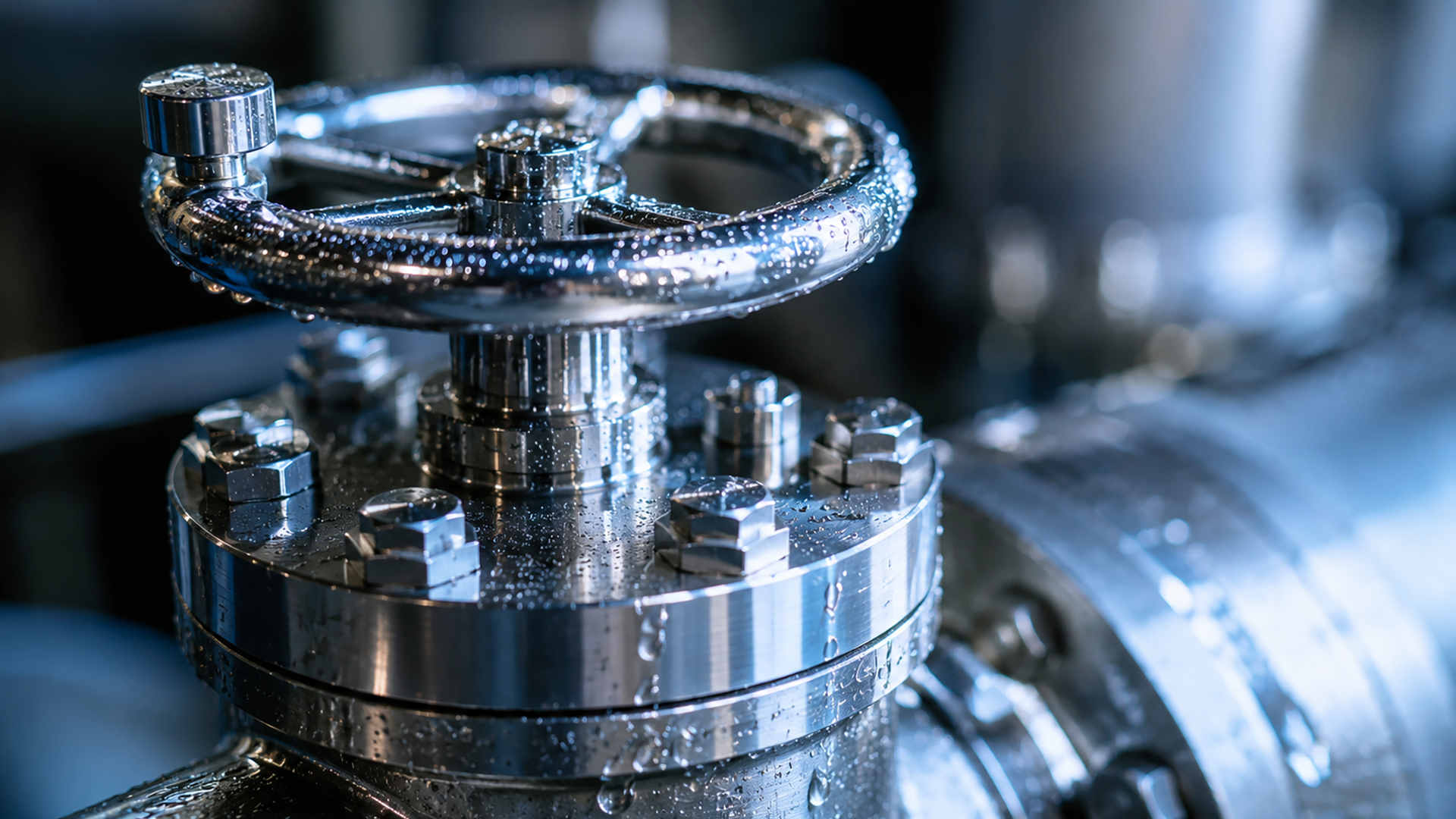
A pressure-temperature rating defines the maximum allowable working pressure of a valve or pressure-containing component at a specific temperature. For example, a valve may be capable of handling a certain pressure at ambient temperature but have a lower allowable pressure when operating at an elevated temperature. This relationship exists because the mechanical properties of materials can change as temperature increases. Many metals experience a reduction in allowable strength at elevated temperatures, which affects the pressure they can safely contain. Therefore, a valve should never be selected based solely on its pressure class without checking the applicable temperature rating for its material
Industrial valves are commonly supplied in pressure classes or ratings based on applicable standards.
Common ASME pressure classes include:
- Class 150
- Class 300
- Class 600
- Class 900
- Class 1500
- Class 2500
A higher pressure class generally indicates that the valve is designed for higher pressure-temperature service conditions. However, the pressure class is not a direct pressure value.
For example, a Class 150 valve does not simply mean that the valve is rated for 150 psi under all operating conditions. The actual allowable pressure depends on factors including valve body material and operating temperature.
The pressure-temperature tables in applicable standards are used to determine the maximum allowable pressure for a particular material group at a specific temperatureTemperature is one of the most important factors in valve selection. At elevated temperatures, the strength of many valve body materials decreases. As a result, the maximum pressure that the valve can safely withstand may also decrease. At very low temperatures, materials may also experience changes in toughness and ductility. Some materials can become more susceptible to brittle fracture under low-temperature conditions. This means that both high- and low-temperature applications require careful consideration of valve material and pressure-temperature limitations. Typical applications where temperature has a major impact include:
- High-temperature steam systems
- Refineries
- Petrochemical plants
- Power generation facilities
- LNG and cryogenic applications
- Chemical processing plants
The material used to manufacture the valve body has a major influence on its pressure-temperature rating.
Common valve body materials include:
- Carbon steel
- Cast carbon steel
- Forged carbon steel
- Stainless steel
- Alloy steel
- Duplex stainless steel
- Special corrosion-resistant alloys
Each material has different mechanical properties and temperature limitations.
For example, carbon steel valves may be suitable for many general oil, gas, water, and industrial applications, while stainless steel may be preferred for applications requiring improved corrosion resistance.
Alloy steel valves can be selected for elevated-temperature applications where additional mechanical strength is required.
The correct material should therefore be selected based on the complete operating environment rather than pressure alone.
Pressure-temperature ratings for flanged valves and fittings are commonly associated with standards such as ASME B16.34, while ASME flange standards such as ASME B16.5 provide pressure-temperature ratings for flanges and flanged fittings within their applicable scope.
The applicable rating depends on factors such as:
- Pressure class
- Material group or grade
- Operating temperature
- Component design
- Applicable product standard
Valve manufacturers may also provide additional pressure-temperature information for specific products and materials.
Engineers should always use the applicable standard and manufacturer’s documentation for the exact valve being specified rather than relying on general assumptionsOil and gas projects require strict control over material specifications. Pipes, fittings, flanges, valves, and other pressure-containing components must be selected and supplied according to applicable project requirements and recognized standards.
Depending on the application, specifications may reference organizations and standards such as:
- ASTM
- ASME
- API
- ISO
- NACE / AMPP
ADNOC’s published engineering specifications include references to a broad range of these standards for piping materials, line pipe, corrosion-resistant materials, welding, valves, and related components Material traceability is particularly important for critical applications. Material test certificates, heat numbers, chemical composition, mechanical properties, inspection records, and other quality documentation may be required to verify that the supplied material matches the approved specification
The continued development of the UAE’s offshore fields, gas-processing facilities, pipeline networks, LNG infrastructure, and downstream projects increases the importance of reliable piping materials. ADNOC’s operations span major offshore production assets, large onshore fields, gas-processing facilities, and extensive pipeline networks, demonstrating the scale and diversity of infrastructure that depends on properly engineered piping systems.
Major developments also include projects designed around gas growth and lower-carbon operations, such as the Hail & Ghasha development and Ruwais LNG. These projects require piping solutions capable of meeting demanding process conditions while supporting long-term reliability and project-specific technical requirements
Piping materials are fundamental to the safety, reliability, and efficiency of UAE oil and gas infrastructure. Carbon steel remains a key solution for many pipelines and process systems, while stainless steel, alloy steel, duplex materials, and corrosion-resistant alloys are selected for applications involving more demanding pressure, temperature, and corrosion conditions.
The UAE’s extensive offshore production assets, gas-processing facilities, export terminals, and nationwide gas pipeline network demonstrate the importance of selecting piping materials that are suitable for the complete operating environment