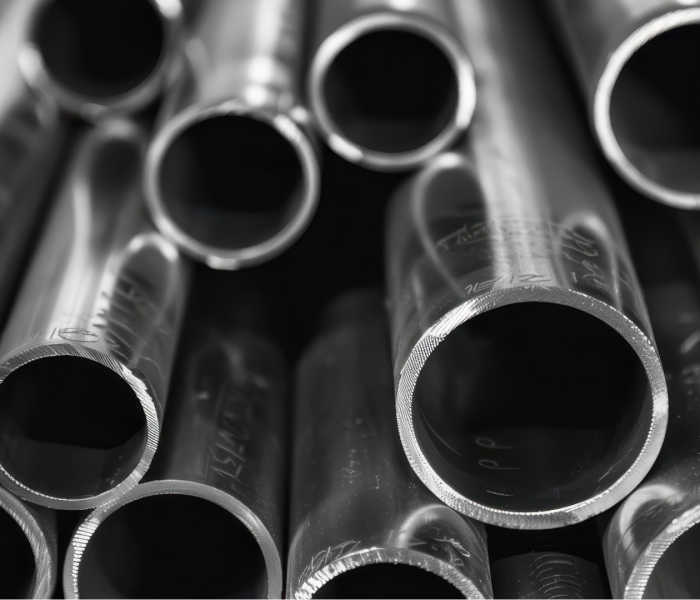
Carbon Steel Pipes vs. Stainless Steel Pipes: Which Is Right for Your Project?
When selecting piping materials for industrial projects in the UAE and Middle East, one of the most critical decisions is choosing between carbon steel and stainless steel pipes. Both materials offer distinct advantages, and the right choice depends on your application, environment, and budget
- Understanding Carbon Steel Pipes
Carbon steel pipes are widely used across oil and gas, construction, and petrochemical industries due to their exceptional strength and cost-effectiveness. Available in seamless and welded variants, carbon steel pipes handle high-pressure and high-temperature environments with ease. OIS Middle East stocks carbon steel pipes from ½” to 36″ in schedules ranging from 10 to XXS, meeting ASTM and API 5L standards
- Understanding Stainless Steel Pipes
Stainless steel pipes offer superior corrosion resistance, making them ideal for applications involving chemicals, seawater, or food-grade processes. Grades like 304 and 316L provide excellent durability in corrosive environments commonly found across Gulf region industries.
- Key Differences: Strength, Corrosion, and Cost
Carbon steel is stronger and more affordable but susceptible to rust without protective coatings. Stainless steel costs more upfront but delivers longer service life in corrosive settings. For most oil and gas pipelines in the UAE, carbon steel remains the industry standard due to pressure ratings and cost efficiency
- Making the Right Choice for Middle East Projects
Projects in high-temperature environments such as refineries and power plants typically favour carbon steel. Offshore and marine applications benefit from stainless steel’s corrosion resistance. OIS Middle East supplies both materials with full mill test certificates and international compliance documentation
- Conclusion
Whether your project demands carbon steel or stainless steel pipes, OIS Middle East provides certified, ready-stock solutions across Dubai, Abu Dhabi, and Ras Al Khaimah. Contact our technical team for guidance on the best material specification for your application.