
Seamless vs. Welded Carbon Steel Pipes: Key Differences for Industrial Use
Carbon steel pipes are widely used across oil and gas, petrochemical, power generation, construction, water infrastructure, and general industrial applications. They provide a strong, economical, and versatile solution for transporting liquids, gases, steam, and other process media. When selecting carbon steel pipe, one of the most important decisions is whether to use seamless or welded pipe. Although both types can provide reliable service, their manufacturing methods, dimensional characteristics, pressure capabilities, availability, and cost can differ significantly. Understanding these differences helps engineers, contractors, procurement teams, and project managers select the most appropriate pipe for a specific application
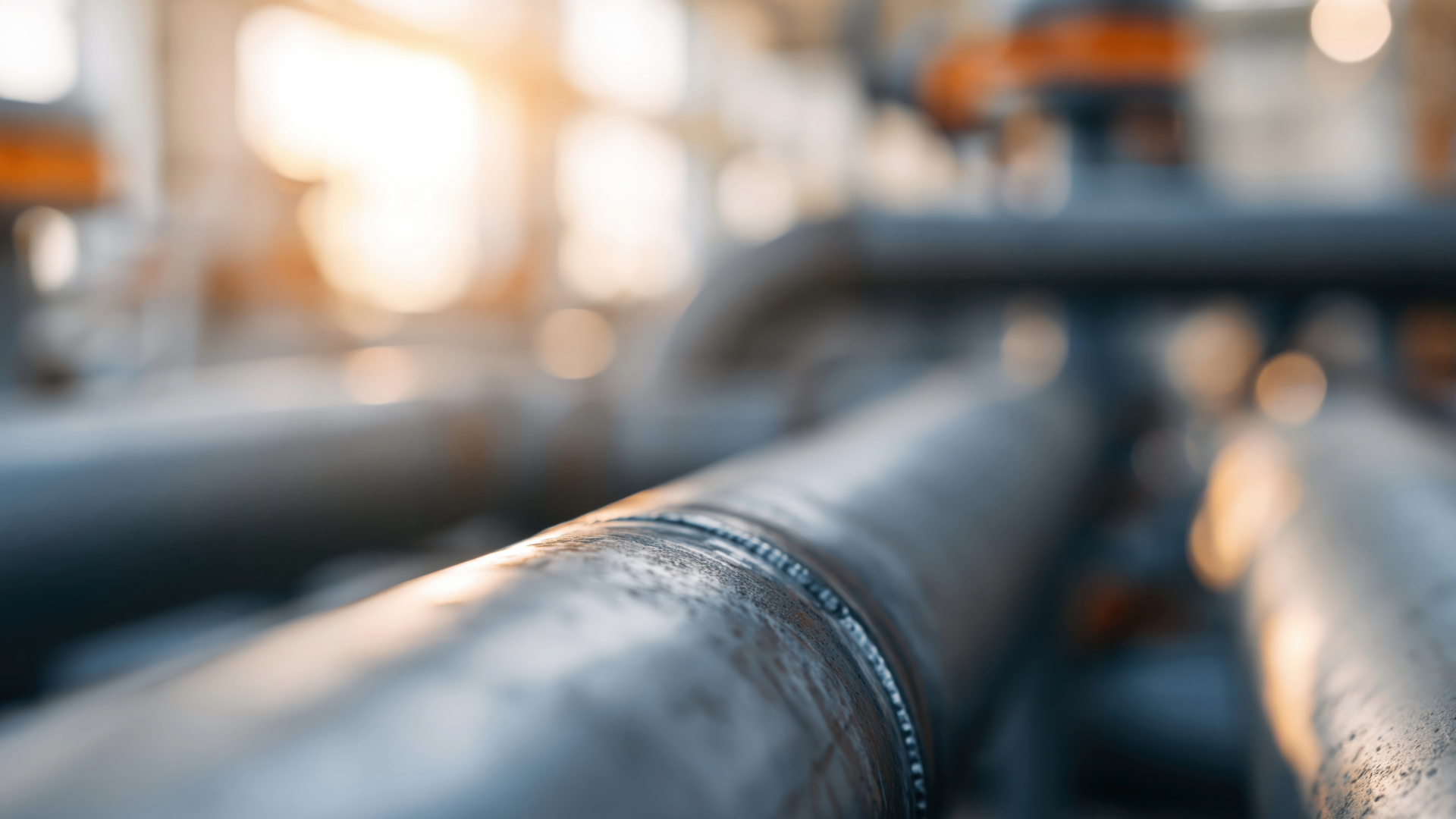
A seamless carbon steel pipe is manufactured without a longitudinal welded seam. The production process generally begins with a solid round steel billet, which is heated and pierced to create a hollow tube. The tube is subsequently rolled, sized, and finished to achieve the required dimensions and properties. Because there is no welded joint, seamless pipe provides a continuous material structure around the circumference. This characteristic makes seamless pipe particularly attractive for applications involving high pressure, elevated temperature, mechanical stress, or demanding operating conditions. Seamless carbon steel pipes are commonly specified for applications such as high-pressure process lines, boilers, heat exchangers, oil and gas systems, hydraulic services, and other critical industrial installations.
- Welded carbon steel pipe is manufactured by forming a steel plate, strip, or coil into a cylindrical shape and joining the edges through a welding process.
- Depending on the manufacturing method, welded pipes can include ERW (Electric Resistance Welded), LSAW (Longitudinal Submerged Arc Welded), and SSAW (Spiral Submerged Arc Welded) pipes.
- ERW pipes are commonly manufactured from steel strip or coil and are widely used for utility, structural, water, and industrial applications.
- LSAW pipes are produced by forming steel plate and welding the longitudinal seam. They are particularly useful for large-diameter applications where strength, dimensional control, and wall thickness are important.
- SSAW pipes are manufactured by forming steel strip into a spiral configuration and welding the helical seam. They are frequently used in large-diameter water transmission, piling, and selected oil and gas applications
- Starts from a solid billet
- Billet is heated and pierced
- Hollow section is rolled and sized
- No longitudinal weld seam is present
- Starts from steel plate, strip, or coil
- Material is formed into a cylindrical shape
- Edges are joined using a welding process
- Weld seam is inspected and controlled according to applicable standards
- Seamless pipe is often preferred for particularly demanding pressure applications because it does not contain a longitudinal weld seam. The continuous construction can provide advantages in applications involving high pressure, high temperature, cyclic loading, or severe mechanical conditions.
- However, the actual pressure capability of a pipe depends on much more than whether it is seamless or welded. Pipe material grade, wall thickness, diameter, manufacturing standard, allowable stress, weld quality, design temperature, and applicable piping code all influence the final design.
- High-quality welded pipes manufactured to appropriate standards can provide excellent performance in pressure and process applications.
- Therefore, engineers should avoid assuming that every seamless pipe automatically has a higher pressure rating than every welded pipe. The complete specification must be evaluated
- One significant advantage of welded pipe is its broad availability in large diameters and different wall thicknesses.
- Large-diameter seamless pipes can become more difficult and expensive to manufacture as size and wall thickness increase. Welded manufacturing processes can provide greater flexibility for producing large-diameter pipes from steel plate or coil.
- This makes LSAW and SSAW pipes particularly useful for large-diameter pipelines, water transmission systems, structural applications, and other projects requiring substantial pipe sizes.
- Seamless pipe, meanwhile, is widely available in many smaller and medium diameters and is frequently selected for high-pressure industrial services
- Cost is another important difference between seamless and welded carbon steel pipes.
- Seamless pipe generally involves more intensive manufacturing processes, which can make it more expensive than comparable welded pipe. The price difference can become significant for large quantities or large-diameter requirements.
- Welded pipe can offer a cost-effective solution when the application does not require the specific characteristics associated with seamless construction.
- For large infrastructure projects, water pipelines, structural systems, and many general industrial services, welded carbon steel pipe can provide an attractive balance between performance and project cost.
- For critical high-pressure applications, the additional cost of seamless pipe may be justified by the service requirements
Seamless carbon steel pipes are commonly used where demanding operating conditions require reliable pressure containment and mechanical performance.
Typical applications include:
- Oil and gas processing
- High-pressure piping
- Boiler and steam systems
- Power generation
- Hydraulic systems
- Petrochemical processing
- Heat exchanger systems
- High-temperature services
- Critical process piping
The appropriate grade and schedule should always be selected according to the project’s design requirements and applicable standards
Welded carbon steel pipes are used across a wide range of industrial and infrastructure projects.
Common applications include:
- Water transmission
- Fire protection systems
- Utility piping
- Structural applications
- Oil and gas pipelines
- Low- and medium-pressure process systems
- Large-diameter transmission lines
- Piling and construction
- Industrial fabrication
ERW, LSAW, and SSAW pipes each serve different requirements, so the manufacturing process should be selected according to diameter, wall thickness, pressure, application, and project specification
| Factor | Seamless Carbon Steel Pipe | Welded Carbon Steel Pipe |
|---|---|---|
| Manufacturing | Produced from solid billet | Produced from plate, strip, or coil |
| Weld Seam | No longitudinal weld | Weld seam present |
| Typical Cost | Generally higher | Generally more economical |
| Large Diameters | More limited or economically challenging | Widely available |
| High-Pressure Service | Commonly selected | Suitable when properly specified |
| Availability | Strong availability in many sizes | Excellent size and thickness flexibility |
| Applications | Critical and demanding services | Industrial, infrastructure, and pipeline applications |
The correct choice should begin with the project design conditions rather than simply selecting the pipe with the highest perceived strength.
Consider the following factors:Both seamless and welded carbon steel pipes have an important role in modern industrial piping systems. Seamless pipes are often selected for demanding high-pressure and high-temperature services, while welded pipes provide excellent versatility, size availability, and cost efficiency across industrial and infrastructure applications. The best choice depends on the complete combination of pressure, temperature, pipe size, wall thickness, material grade, manufacturing standard, service fluid, fabrication requirements, and project budget