The Importance of Traceability in Industrial Piping Materials
Industrial piping systems operate in demanding environments where safety, reliability, and compliance are essential. From oil and gas facilities and power plants to petrochemical units, water treatment systems, and offshore platforms, every pipe, fitting, flange, valve, and fastening component must meet specific technical and material requirements. In such applications, knowing what material was used, where it came from, how it was manufactured, and whether it meets the required standards is critical.
This is where traceability in industrial piping materials plays a vital role.
Traceability provides a documented connection between a physical product and its manufacturing, testing, inspection, and certification history. It helps project owners, EPC contractors, procurement teams, and quality inspectors verify that the materials installed in a piping system are exactly those specified for the project.
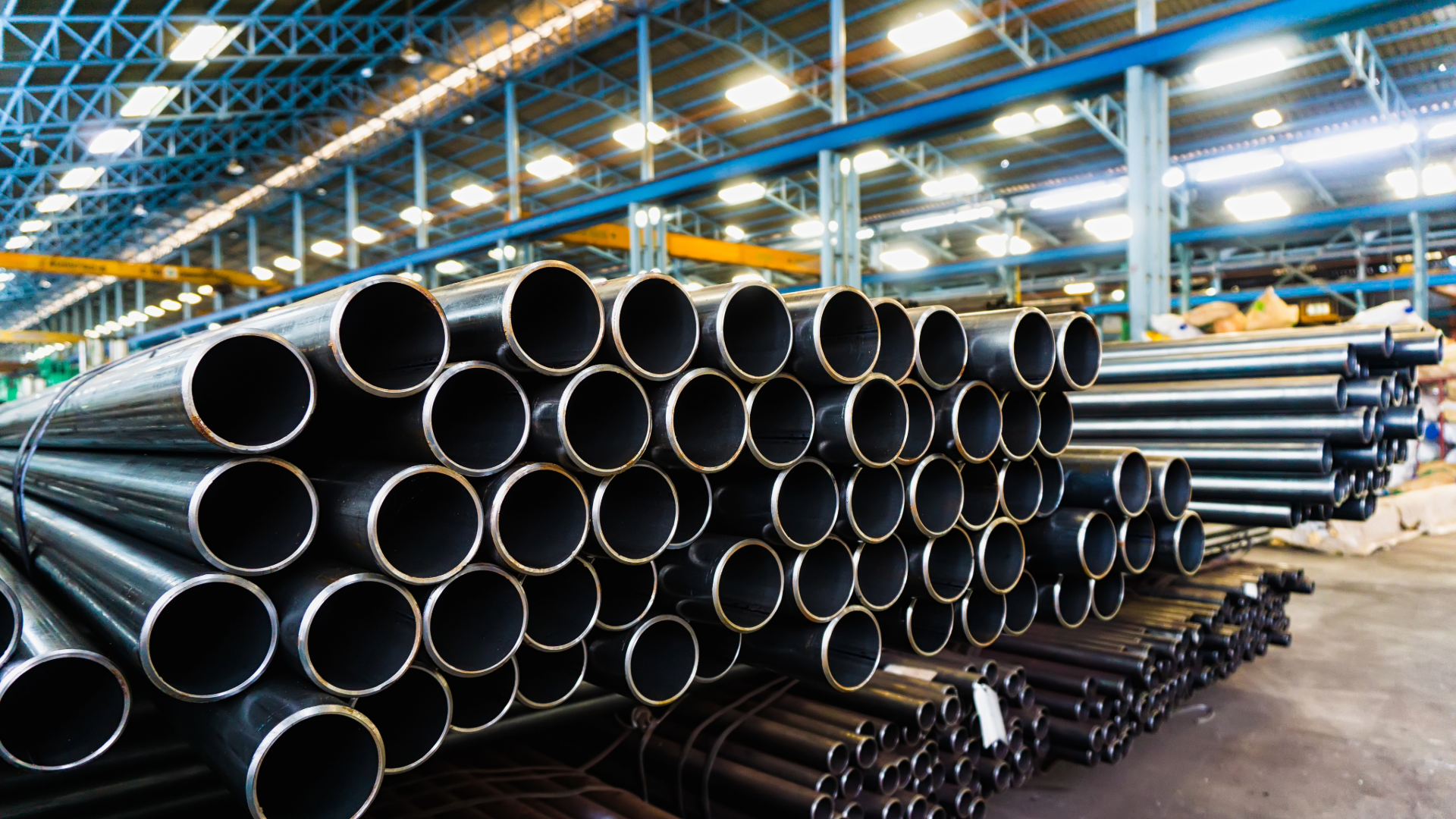
Material traceability is the ability to track a product through the supply chain and connect it to relevant manufacturing and inspection records.
For industrial piping materials, traceability may include information such as:
- Manufacturer name
- Material grade
- Product specification
- Heat number
- Batch or lot number
- Pipe size and wall thickness
- Pressure class
- Manufacturing standard
- Chemical composition
- Mechanical properties
- Test and inspection results
- Material Test Certificates
- Third-party inspection records
This information allows project teams to verify the identity and quality of a material before it is installed.
For example, a carbon steel pipe may be marked with a heat number. That heat number can be matched with the corresponding Mill Test Certificate to confirm the material’s chemical composition, mechanical properties, and manufacturing details.
Without proper identification and documentation, it can become difficult to confirm whether a component genuinely meets the project specification
Industrial projects are designed according to specific engineering standards and material specifications. A project may require materials manufactured to ASTM, ASME, API, EN, or other internationally recognized standards. Without proper traceability, it can be difficult to verify whether a supplied pipe or fitting actually meets the required specification. Traceability allows procurement and quality teams to compare the physical material with its documentation. This helps confirm critical details such as material grade, size, wall thickness, pressure rating, and testing requirements. For example, two piping components may look identical but have significantly different mechanical properties or corrosion resistance. Installing the wrong material can affect the safety and service life of the entire system.
Piping systems may transport high-pressure fluids, steam, chemicals, hydrocarbons, or other hazardous substances. Material failure in these systems can lead to leaks, production shutdowns, environmental damage, equipment loss, or serious safety incidents.
Traceability reduces the risk of unidentified or non-compliant materials entering the supply chain.
When every critical component can be traced to verified manufacturing and testing records, project teams have greater confidence in the integrity of the piping system. This is especially important for applications involving:
- Oil and gas processing
- Petrochemical plants
- Power generation
- Offshore facilities
- Refineries
- High-temperature services
- High-pressure pipelines
A documented traceability system supports better quality control before materials are installed and throughout the operational life of the facility
Traceability is an important part of quality assurance during material procurement and project execution.
Before dispatch or installation, inspectors may verify material markings against purchase orders, approved technical specifications, packing lists, and Material Test Certificates. A clear traceability system makes this process faster and more reliable.
For example, a pipe may carry markings showing its grade, size, schedule, manufacturing standard, and heat number. The inspector can compare this information with the corresponding MTC and other quality documents.
This process helps identify potential issues such as:
- Incorrect material grades
- Missing or incomplete certificates
- Mixed materials
- Incorrect dimensions
- Unapproved substitutions
- Documentation mismatches
- Materials from unidentified sources
- Industrial piping projects often involve multiple manufacturers, stockists, suppliers, fabricators, and logistics providers. A single project may require thousands of components sourced from different locations.
- Without a structured traceability process, managing this volume of material can become difficult.
- Proper identification and documentation help maintain control as materials move through the supply chain. Traceability should ideally continue through receiving, storage, cutting, fabrication, welding, and installation.
- For instance, when a large pipe is cut into smaller sections, the original heat number can be lost if proper identification procedures are not followed. Re-marking or traceability transfer procedures help maintain the connection between the cut pieces and their original material documentation.
- This is particularly important in fabrication yards and large construction projects where multiple material grades may be stored and processed simultaneousl
If a material-related issue occurs during fabrication, testing, or operation, traceability makes it easier to investigate the source of the problem. By identifying the relevant heat number or batch number, engineers and quality teams can review the associated manufacturing and testing records. They can determine whether other materials from the same batch are affected and take appropriate action. This allows companies to isolate potentially problematic materials instead of inspecting or replacing an entire inventory. Effective traceability can therefore reduce investigation time, minimize operational disruption, and support more targeted corrective actions
Many industrial projects require extensive quality documentation as part of their procurement and inspection procedures. EPC contractors and project owners may specify requirements for MTCs, inspection reports, pressure test records, NDT reports, and certificates of compliance. Traceability provides the connection between these documents and the actual materials supplied. However, documentation alone is not enough. The physical product must also be identifiable and correctly linked to its supporting records. A Material Test Certificate has limited value if there is no reliable method of confirming which physical pipe, flange, fitting, or fastener it belongs to. For this reason, proper material marking, tagging, labeling, and document control are essential parts of an effective traceability system
Traceability is more than a documentation requirementit is a critical part of quality assurance in industrial piping projects. It provides confidence that the materials supplied are correctly identified, tested, certified, and suitable for their intended application. For industries where piping systems operate under demanding conditions, even a small material error can result in significant safety, financial, and operational consequences. Proper traceability helps reduce these risks by creating a clear link between every component and its manufacturing and testing history. At OIS Middle East, maintaining proper documentation and material identification is essential when supplying industrial piping materials and components. By focusing on quality control, certification, and reliable supply practices, businesses can support safer installations, easier inspections, and greater confidence throughout the project lifecycle. For critical piping applications, choosing the right material is important—but being able to prove exactly what that material is and where it came from is equally essential