
The Role of Piping Materials in UAE Oil and Gas Infrastructure
The UAE’s oil and gas infrastructure operates across demanding environments that require reliable piping systems for upstream production, processing, refining, storage, transportation, and downstream operations. From offshore platforms and onshore processing facilities to refineries, terminals, and gas treatment plants, piping materials play a critical role in maintaining safe and efficient operations. Selecting the right pipe material is not simply a matter of choosing the strongest or most expensive option. Engineers must evaluate pressure, temperature, fluid composition, corrosion risk, mechanical loads, service life, and applicable project specifications. The wrong material can lead to premature corrosion, leakage, unplanned maintenance, and costly downtime. Carbon steel, stainless steel, alloy steel, and corrosion-resistant alloys each have an important role depending on the operating conditions and service requirements
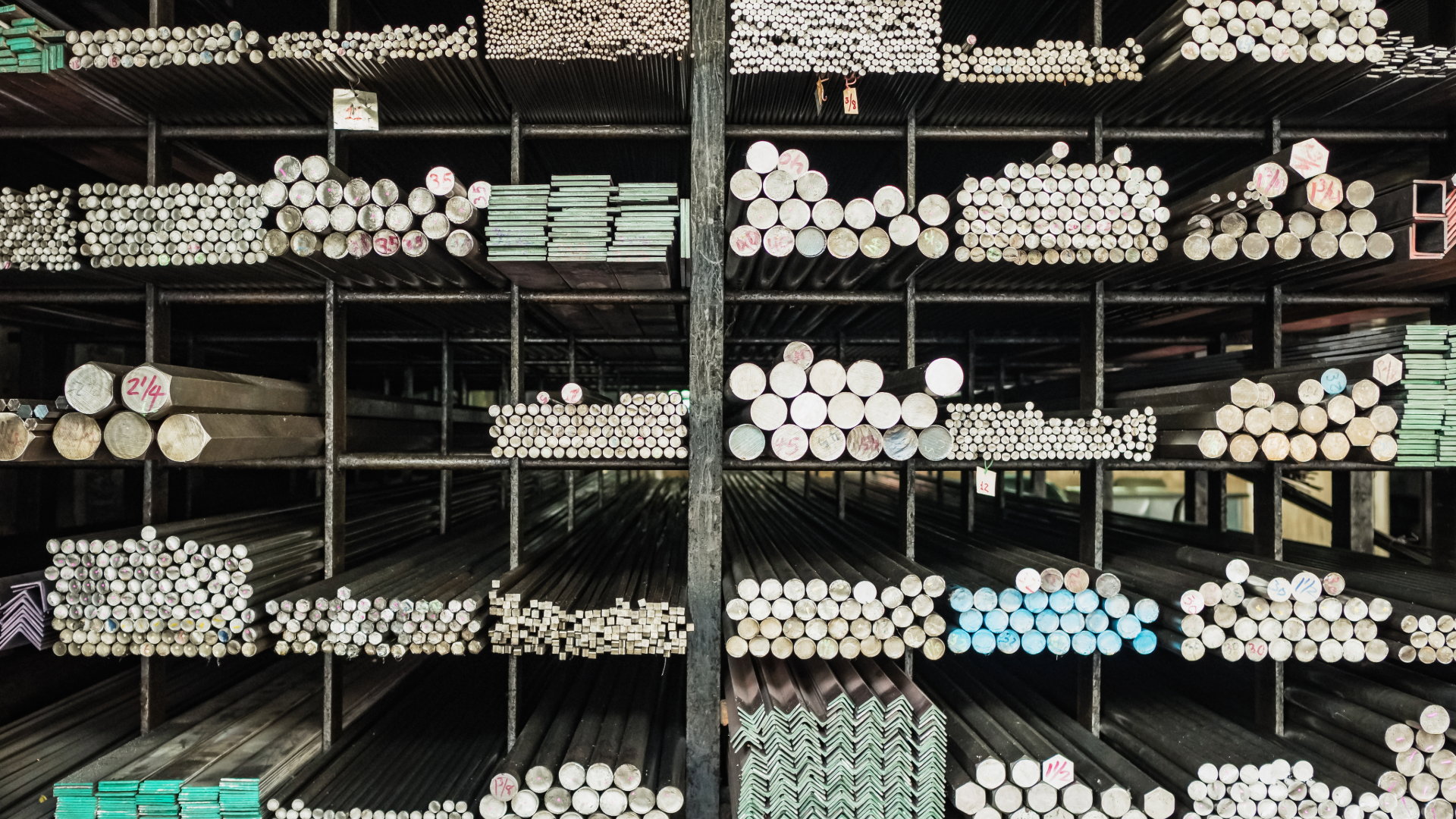
Carbon steel remains one of the most widely used piping materials in oil and gas infrastructure. It offers a practical combination of mechanical strength, availability, weldability, and cost efficiency. Carbon steel pipes are commonly used for hydrocarbon transportation, utility systems, water services, structural applications, and many general process piping systems. Different grades and wall thicknesses can be selected according to pressure and temperature requirements. However, carbon steel is susceptible to corrosion when exposed to water, oxygen, carbon dioxide, hydrogen sulfide, and other aggressive environments. As a result, corrosion allowance, protective coatings, internal linings, chemical treatment, or alternative materials may be required depending on the service. For many applications, carbon steel provides an economical solution when the corrosion environment is properly controlled
- Stainless steel piping is often selected where improved corrosion resistance is required. Its chromium content provides greater resistance to oxidation and corrosion than standard carbon steel, making it suitable for selected process, chemical, marine, and utility applications.
- Different stainless steel grades offer different levels of corrosion resistance and mechanical performance. Material selection must consider the actual process fluid and environmental conditions rather than relying only on the general classification of the material.
- In chloride-containing environments, for example, certain stainless steel grades may be more suitable than others. Temperature, concentration, pressure, and exposure conditions can all influence material performance.
- Stainless steel may have a higher initial cost than carbon steel, but its corrosion resistance can reduce maintenance requirements and improve long-term service life in suitable applications.
- Alloy steel piping is used where operating temperatures and mechanical requirements exceed the capabilities of standard carbon steel grades.
- In refineries, power generation facilities, and high-temperature process systems, elevated temperatures can reduce material strength over time. Alloying elements such as chromium and molybdenum can improve high-temperature strength and resistance to certain forms of degradation.
- The appropriate alloy steel grade must be selected according to design temperature, pressure, creep considerations, welding requirements, and the applicable piping code.
- Proper material traceability and quality documentation are also important for critical piping systems, particularly where project specifications require material test certificates and controlled manufacturing standards
For highly demanding offshore and corrosive services, duplex stainless steels and other corrosion-resistant alloys may be considered. These materials can provide a combination of strength and resistance to challenging environments. Offshore installations can expose piping systems to saltwater, humidity, chlorides, and corrosive process fluids. In addition, sour service conditions involving hydrogen sulfide may require materials selected specifically for the expected operating environment. Although these materials can have a higher initial procurement cost, they may offer advantages where conventional carbon steel would require extensive corrosion protection or frequent replacement. The selection should always be based on project-specific engineering requirements, material compatibility, and recognized industry standards
Material selection becomes especially important in sour service and other corrosive environments. Hydrogen sulfide, carbon dioxide, chlorides, moisture, and elevated temperatures can create conditions that increase the risk of corrosion and material degradation. In such applications, material selection may need to comply with standards covering resistance to sulfide stress cracking and other environmental damage mechanisms. ADNOC’s published engineering specifications reference standards including NACE MR0175 / ISO 15156 for materials used in H₂S-containing oil and gas production environments, highlighting the importance of matching piping materials to the expected service conditions. Depending on the application, engineers may consider carbon steel with corrosion allowance and protective measures, stainless steel, duplex stainless steel, or other corrosion-resistant alloys
The UAE’s oil and gas infrastructure includes both extensive onshore facilities and major offshore operations. ADNOC Offshore operates across multiple fields, islands, super complexes, and offshore structures, creating demanding requirements for piping materials exposed to marine conditions.
Offshore piping systems must account for:
- Saltwater and chloride exposure
- High humidity and marine atmosphere
- Corrosive process fluids
- Weight limitations
- Limited maintenance access
- Pressure and temperature variations
- Long-term reliability requirements
Onshore facilities may face different challenges, including high ambient temperatures, desert conditions, large pipeline networks, processing operations, and demanding hydrocarbon services. Material selection must therefore be based on the specific operating environment rather than applying a single solution across every facility
Pipelines form a vital part of the UAE’s energy infrastructure. ADNOC Gas operates a gas pipeline network of more than 3,260 km, supplying customers across Abu Dhabi, Dubai, and the Northern Emirates and meeting approximately 60% of UAE gas requirements.
Large pipeline systems require careful selection of:
- Pipe material grade
- Outside diameter
- Wall thickness
- Corrosion allowance
- Coating system
- Welding requirements
- Inspection and testing procedures
- Design pressure and temperature
For transmission pipelines, carbon steel is commonly used because of its strength and economic advantages. However, external coatings, cathodic protection, and corrosion-management programs can play an important role in protecting long pipeline systems.
In more corrosive process environments, internally clad, lined, or corrosion-resistant materials may be considered. ADNOC’s published piping material specifications also reference API standards covering conventional line pipe and corrosion-resistant alloy clad or lined steel pipe
Oil and gas projects require strict control over material specifications. Pipes, fittings, flanges, valves, and other pressure-containing components must be selected and supplied according to applicable project requirements and recognized standards.
Depending on the application, specifications may reference organizations and standards such as:
- ASTM
- ASME
- API
- ISO
- NACE / AMPP
ADNOC’s published engineering specifications include references to a broad range of these standards for piping materials, line pipe, corrosion-resistant materials, welding, valves, and related components Material traceability is particularly important for critical applications. Material test certificates, heat numbers, chemical composition, mechanical properties, inspection records, and other quality documentation may be required to verify that the supplied material matches the approved specification
The continued development of the UAE’s offshore fields, gas-processing facilities, pipeline networks, LNG infrastructure, and downstream projects increases the importance of reliable piping materials. ADNOC’s operations span major offshore production assets, large onshore fields, gas-processing facilities, and extensive pipeline networks, demonstrating the scale and diversity of infrastructure that depends on properly engineered piping systems.
Major developments also include projects designed around gas growth and lower-carbon operations, such as the Hail & Ghasha development and Ruwais LNG. These projects require piping solutions capable of meeting demanding process conditions while supporting long-term reliability and project-specific technical requirements
Piping materials are fundamental to the safety, reliability, and efficiency of UAE oil and gas infrastructure. Carbon steel remains a key solution for many pipelines and process systems, while stainless steel, alloy steel, duplex materials, and corrosion-resistant alloys are selected for applications involving more demanding pressure, temperature, and corrosion conditions.
The UAE’s extensive offshore production assets, gas-processing facilities, export terminals, and nationwide gas pipeline network demonstrate the importance of selecting piping materials that are suitable for the complete operating environment