
Blogs

Blogs

Top 5 Reasons Industrial Projects in Dubai Choose OIS Middle East for Piping Supply

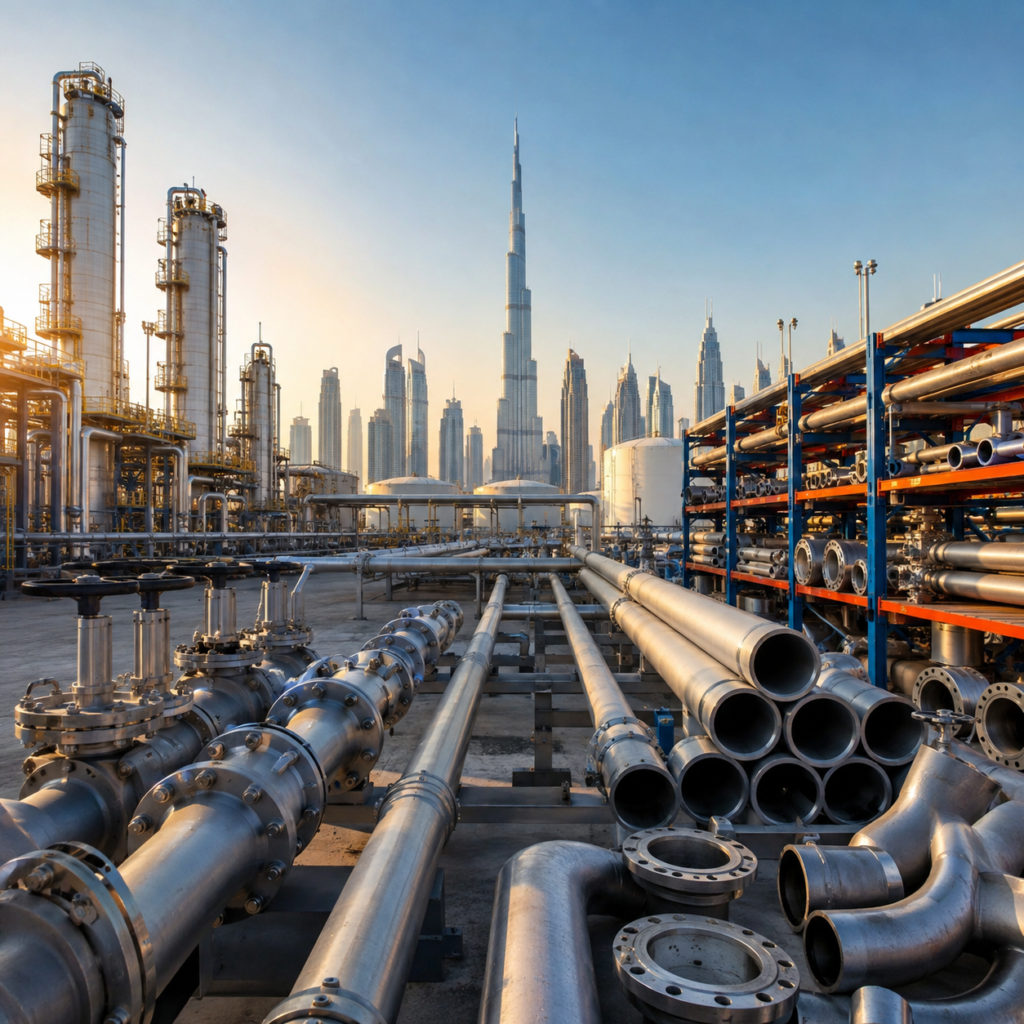
Top 5 Reasons Industrial Projects in Dubai Choose OIS Middle East for Piping Supply In the competitive landscape of industrial supply in Dubai, selecting the right piping supplier can mean the difference between a project delivered on time and one delayed by material shortages. Here are the top five reasons why leading industrial projects across Dubai choose OIS Middle East. 1. Extensive Ready-Stock Available Immediately Unlike fabricate-to-order suppliers, OIS Middle East maintains large physical stock across all product lines at our Dubai Investment Park facility. Pipes from ½” to 36″ in multiple schedules, flanges across all pressure classes, and full ranges of fittings and valves are available for same-week dispatch. This eliminates procurement delays that cost projects time and money. 2. Over Two Decades of Industry Experience Established in 2004, OIS Middle East has 20+ years of experience serving the UAE’s oil and gas, petrochemical, construction, and power generation sectors. This experience means we understand project specifications, procurement requirements, and the technical demands of Middle East industrial applications. 3. Certified International Origins and Full Traceability Every product we supply is sourced from certified mills in Japan, Italy, Korea, Austria, and Spain. Full material traceability, mill test certificates, and third-party inspection documentation are available for all orders. This gives procurement teams and project engineers complete confidence in material quality and compliance. 4. Compliance with ANSI/ASME, ASTM, API, and NACE OIS Middle East products meet or exceed all major international standards applicable to industrial piping in the Gulf region. Whether your project specifies API 5L line pipe, ASME B16.9 butt-weld fittings, or NACE-compliant materials for sour service, our inventory covers the full range of requirements. 5. Strategic Locations Across UAE With our headquarters in Dubai Investment Park and additional offices in Abu Dhabi and Ras Al Khaimah, OIS Middle East is positioned to serve projects across all seven Emirates quickly and efficiently. Our Mumbai office supports international customers and adds global reach to our regional capabilities. Conclusion When your Dubai or UAE industrial project demands reliable, certified piping supply with fast delivery, OIS Middle East is your partner of choice. Send us your inquiry today. Read more
How to Properly Install Butt-Weld Fittings: A Step-by-Step Guide
Blogs

How to Properly Install Butt-Weld Fittings: A Step-by-Step Guide

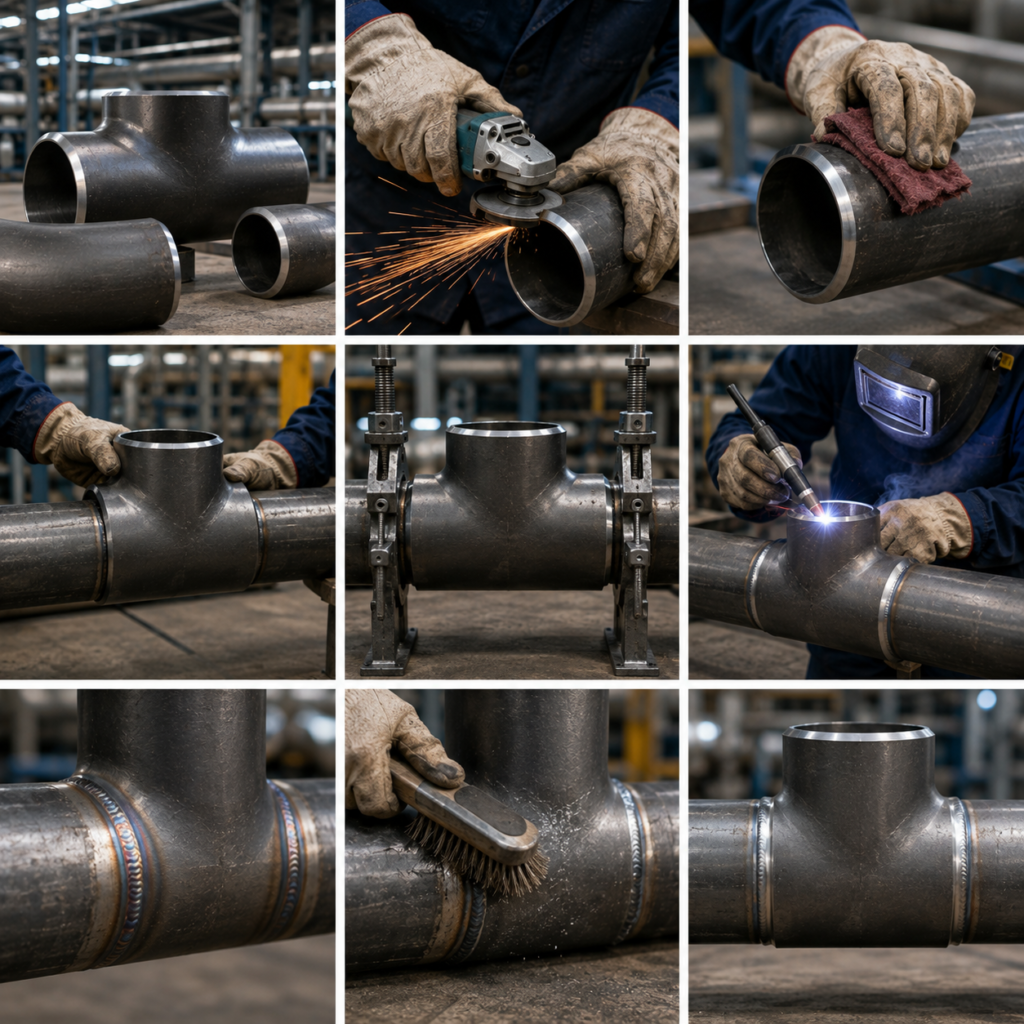
How to Properly Install Butt-Weld Fittings: A Step-by-Step Guide Correct installation of butt-weld fittings is essential for the integrity of industrial piping systems. Even high-quality fittings will fail if installation procedures are not followed correctly. This guide covers the key steps from preparation through inspection Step 1: Preparation and Inspection Before installation, inspect fittings for surface defects, dimensional compliance, and material certification. Verify that fitting material grade, schedule, and end configuration match the pipe specification. Clean the pipe ends and fitting bores of mill scale, rust, and contamination using appropriate cleaning methods. Step 2: Bevelling and Fit-Up Pipe ends must be bevelled to the correct angle (typically 37.5° per ASME B16.25) and the land dimension must match the fitting end preparation. Proper fit-up ensures correct root gap, alignment, and offset. Use alignment clamps to maintain position during tack welding. Misalignment exceeding code limits must be corrected before welding proceeds. Step 3: Welding Procedure and Qualification Welding must be performed by qualified welders following a qualified Welding Procedure Specification (WPS) compliant with ASME Section IX. Use the correct filler metal for the base material. Preheat requirements vary by material specification and wall thickness and must be observed to prevent cracking. Step 4: Post-Weld Inspection After welding, joints must be inspected per the applicable piping code requirements. Visual examination is mandatory. Radiographic (RT) or ultrasonic (UT) examination may be required for critical service. Hydrostatic or pneumatic testing of the completed piping system verifies overall integrity before commissioning. Conclusion Proper installation of butt-weld fittings begins with quality materials. OIS Middle East supplies certified butt-weld fittings with complete documentation to support your welding procedures and inspection requirements. Read more

Why Dubai Is the Hub for Industrial Piping Supply in the Middle East
Blogs

Why Dubai Is the Hub for Industrial Piping Supply in the Middle East

Why Dubai Is the Hub for Industrial Piping Supply in the Middle East Dubai has earned its reputation as the trading and logistics capital of the Middle East, and this status extends powerfully to industrial materials supply including piping products. For companies sourcing pipes, fittings, valves, and flanges for Gulf region projects, Dubai offers unmatched advantages. World-Class Port and Logistics Infrastructure Jebel Ali Port is the largest port in the Middle East and one of the busiest in the world, handling massive container volumes and providing seamless connectivity to European, Asian, and global shipping routes. Combined with Dubai International Airport’s cargo facilities, Dubai offers unrivalled import and export logistics that support rapid material procurement and distribution across the region. Free Zone Advantages Dubai Investment Park and other Dubai free zones provide significant commercial advantages for trading companies including 100% foreign ownership, tax benefits, and streamlined customs procedures. These advantages enable companies like OIS Middle East to maintain competitive pricing and efficient operations that benefit customers across the Gulf and internationally Access to the GCC Market Dubai’s central location provides 2-3 day road access to major industrial centres across the GCC including Abu Dhabi, Sharjah, Oman, Qatar, Bahrain, Kuwait, and Saudi Arabia. For pipeline projects and industrial shutdowns requiring urgent materials, this geographical advantage can save critical days on project schedules. Established Supply Chain Ecosystem Dubai hosts an extensive ecosystem of freight forwarders, customs brokers, inspection agencies, and logistics providers that support efficient import, warehousing, and export of industrial materials. This ecosystem reduces the time and complexity of moving materials through Dubai for both local delivery and onward export, benefiting the entire supply chain. Conclusion OIS Middle East leverages Dubai’s strategic advantages to deliver industrial piping materials faster and more efficiently than suppliers outside the region. Our Dubai Investment Park facility is the foundation of our rapid-response supply capability for the entire Gulf market. Read more

Blogs

ASTM Standards for Piping Materials: A Quick Reference for Engineers

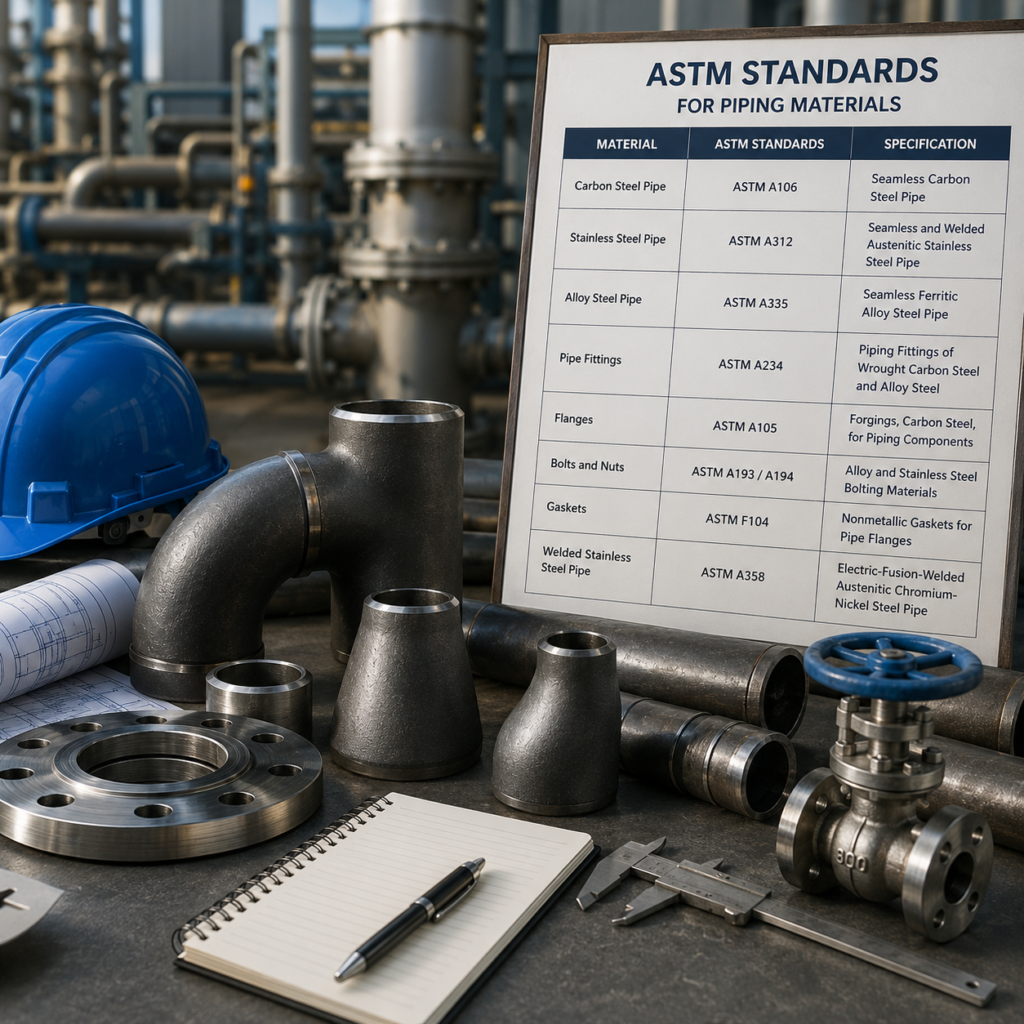
ASTM Standards for Piping Materials: A Quick Reference for Engineers ASTM International standards form the foundation of material specification in industrial piping. For engineers and procurement professionals, a working knowledge of the most commonly referenced ASTM standards saves time and prevents specification errors. Key ASTM Standards for Carbon Steel Pipes ASTM A106 Grade B covers seamless carbon steel pipes for high-temperature service. ASTM A53 covers welded and seamless carbon steel pipes for general service. ASTM A333 covers seamless and welded pipes for low-temperature service. API 5L (though an API rather than ASTM standard) governs line pipes and is closely related to ASTM specifications. ASTM Standards for Fittings and Flanges ASTM A234 WPB covers butt-welding fittings in carbon steel for moderate and elevated temperature service. A420 covers low-temperature butt-weld fittings. For forged fittings and flanges, A105 covers carbon steel forgings for general piping, while A182 covers alloy and stainless steel forgings. These standards define chemical composition, tensile properties, hardness, and heat treatment requirements. ASTM Standards for Fasteners ASTM A193 B7 is the most widely used specification for alloy steel stud bolts. A194 covers companion nuts, with grade 2H being the standard pairing for B7 bolts. For stainless steel fasteners, A193 B8/B8M (grades 304/316) are commonly specified. Low-temperature service requires A320 L7 stud bolts with A194 4 or 7 nuts. Stainless Steel Pipe and Fitting Standards ASTM A312 covers seamless, welded, and heavily cold-worked austenitic stainless steel pipes (grades TP304, TP316). A403 covers wrought austenitic stainless steel butt-weld fittings. These grades are critical for corrosive service applications in chemical processing, food production, and offshore environments. Conclusion OIS Middle East stocks materials to all major ASTM standards, supplied with complete documentation. Our technical team can assist in verifying that your specified materials meet project requirements Read more

Blogs

Camlock Couplings: A Quick Guide to Types, Materials, and Applications

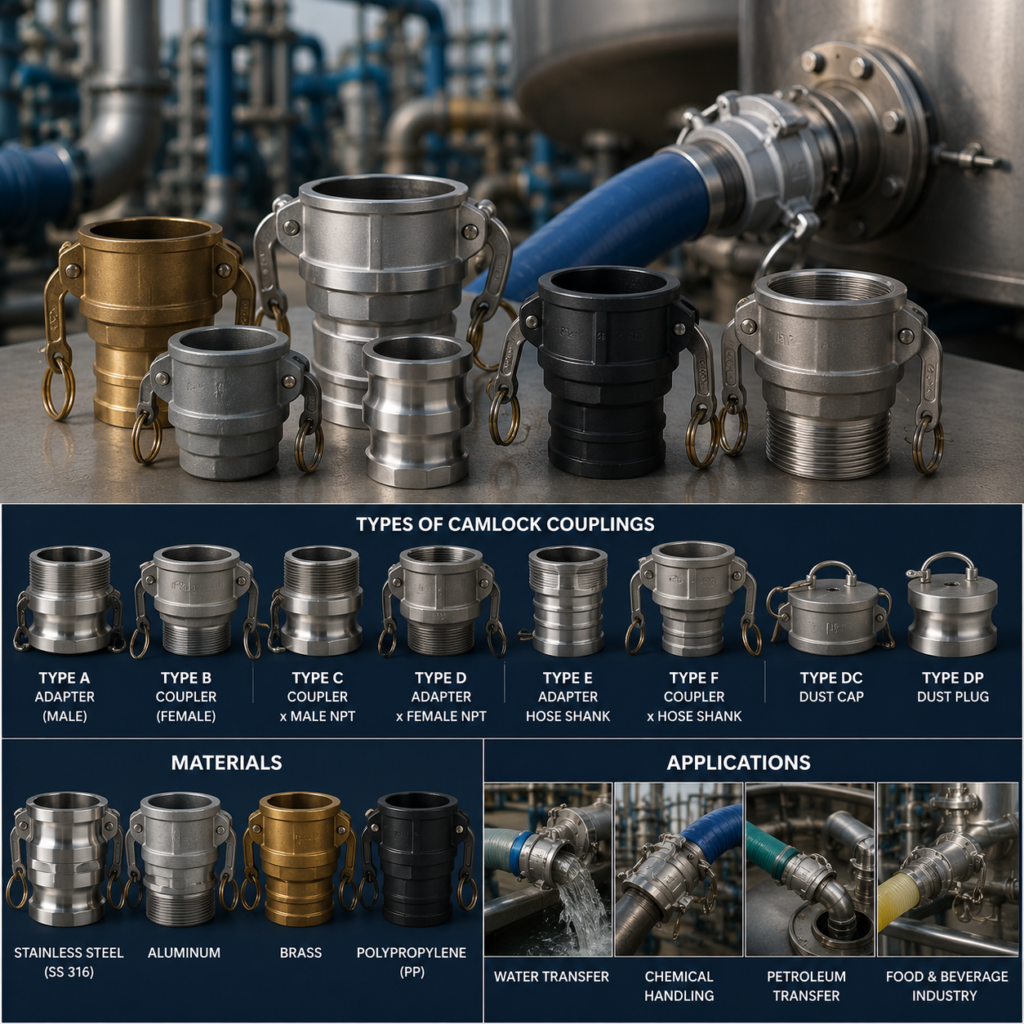
Camlock Couplings: A Quick Guide to Types, Materials, and Applications Camlock couplings, also known as cam and groove fittings, are quick-connect devices used to rapidly join hoses and pipes without tools. Widely used across industries for their speed and versatility, understanding the different types and materials is essential for correct application. The Six Types of Camlock Fittings Camlock fittings come in six standard configurations designated Type A through F. Type A features a male threaded adapter; Type B is a female threaded coupler; Type C is a female threaded adapter; Type D is a female threaded coupler; Type E is a male adapter with hose shank; and Type F is a female coupler with hose shank. Each type provides different connection combinations to suit specific hose and pipe setups. Materials: Aluminium, Stainless Steel, and Polypropylene Camlock couplings are available in aluminium (lightweight, general use), stainless steel 316 (corrosion-resistant, food-grade and chemical applications), carbon steel, brass, and polypropylene. Material selection should match the fluid, temperature, and operating environment to ensure chemical compatibility and long service life. Pressure and Temperature Ratings Standard aluminium camlock couplings handle pressures up to 250 PSI depending on size, while stainless steel versions typically exceed this rating. Temperature limits vary by material and seal type. Always verify that the coupling’s pressure and temperature ratings are appropriate for the intended service conditions. Read more

Blogs

Industrial Fans and Their Applications

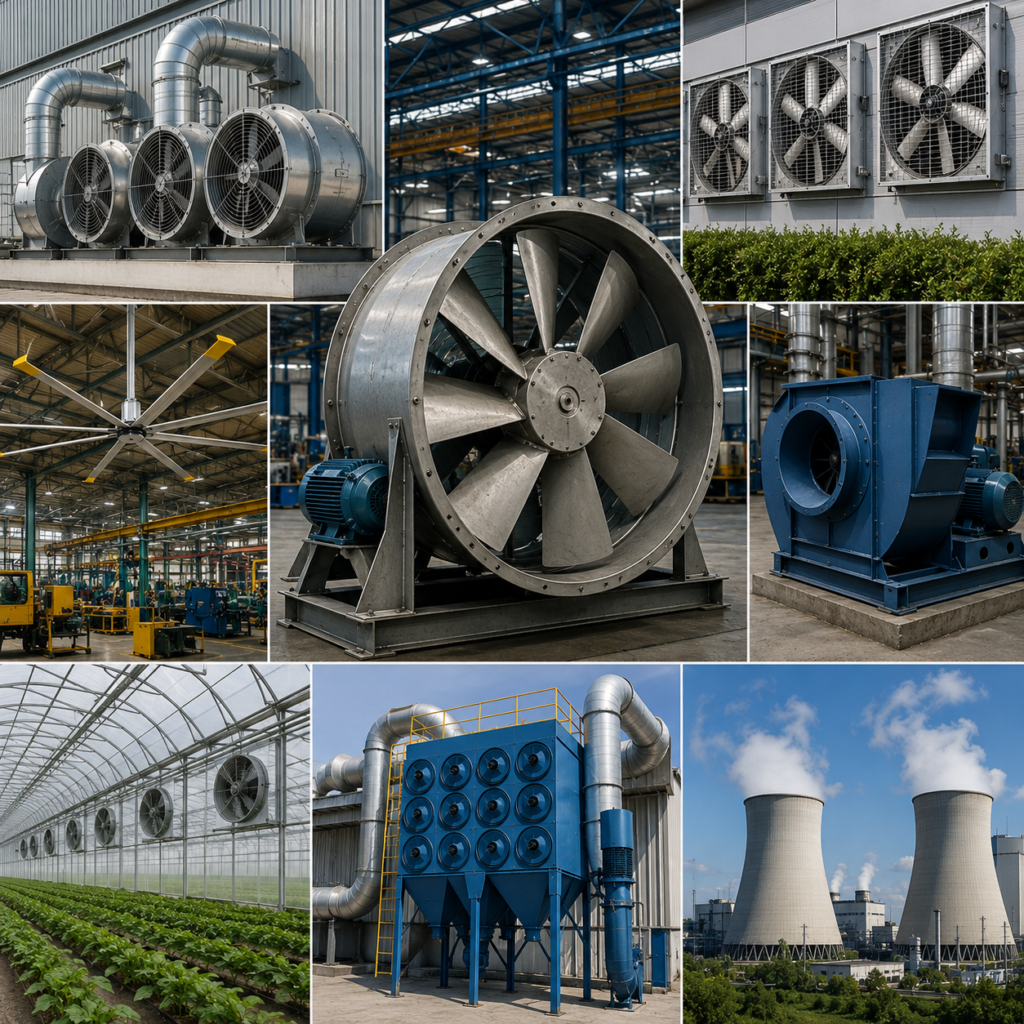
Industrial Fans and Their Applications Industrial fans are widely used for ventilation, cooling, air circulation, and exhaust applications in factories and commercial facilities. Applications include: Manufacturing plants Warehouses HVAC systems Chemical industries Food processing units Choosing the right industrial fan improves air quality, temperature control, and energy efficiency. Industrial Fans and Their Applications Industrial fans are widely used for ventilation, cooling, air circulation, and exhaust applications in factories and commercial facilities. Applications include: Manufacturing plants Warehouses HVAC systems Chemical industries Food processing units Choosing the right industrial fan improves air quality, temperature control, and energy efficiency.

Blogs

Why Preventive Maintenance Matters for Industrial Equipment

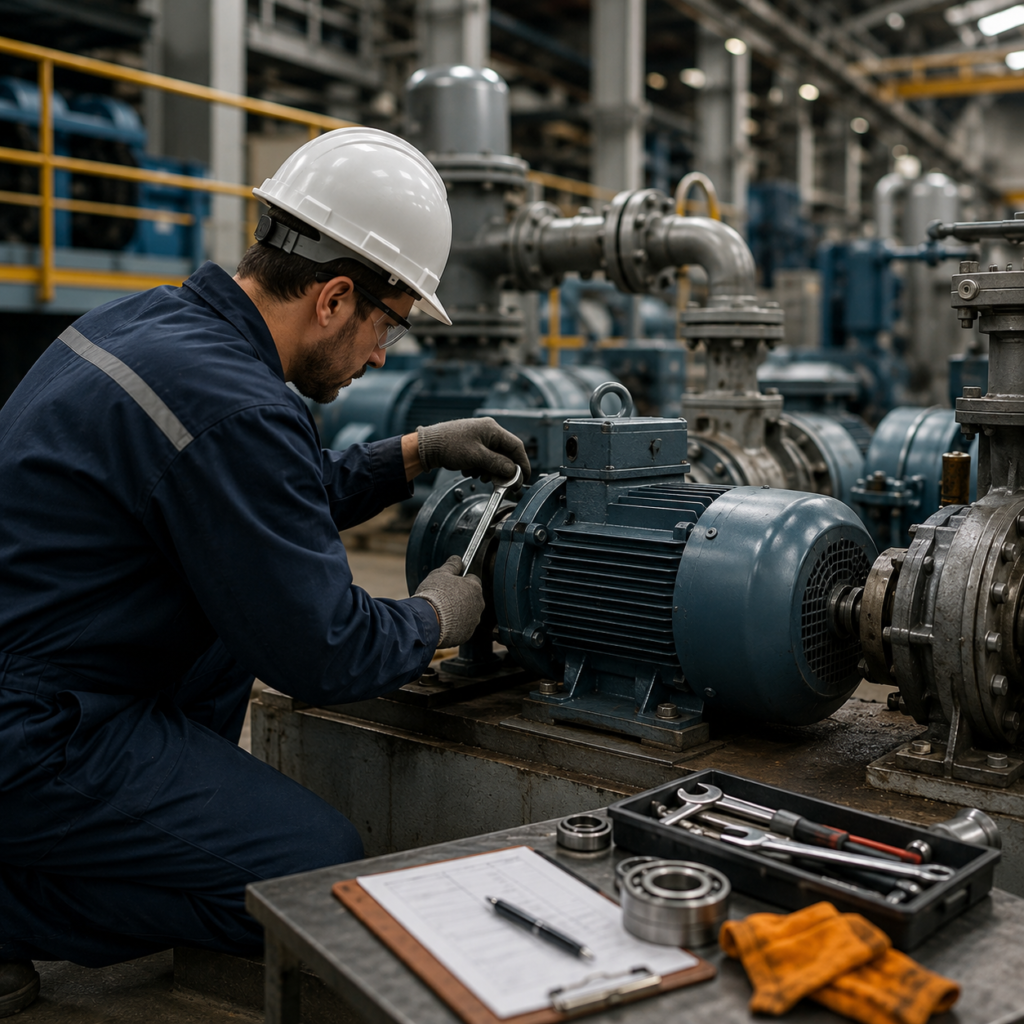
Why Preventive Maintenance Matters for Industrial Equipment Preventive maintenance helps industries avoid unexpected breakdowns and costly repairs. Benefits of preventive maintenance: Reduced downtime Improved equipment efficiency Increased machinery lifespan Lower maintenance costs Enhanced operational safety Regular inspections and servicing ensure smooth industrial operations and long-term productivity. Preventive maintenance helps industries avoid unexpected breakdowns and costly repairs. Preventive maintenance helps industries avoid unexpected breakdowns and costly repairs. Benefits of preventive maintenance: Reduced downtime Improved equipment efficiency Increased machinery lifespan Lower maintenance costs Enhanced operational safety Regular inspections and servicing ensure smooth industrial operations and long-term productivity.

Blogs

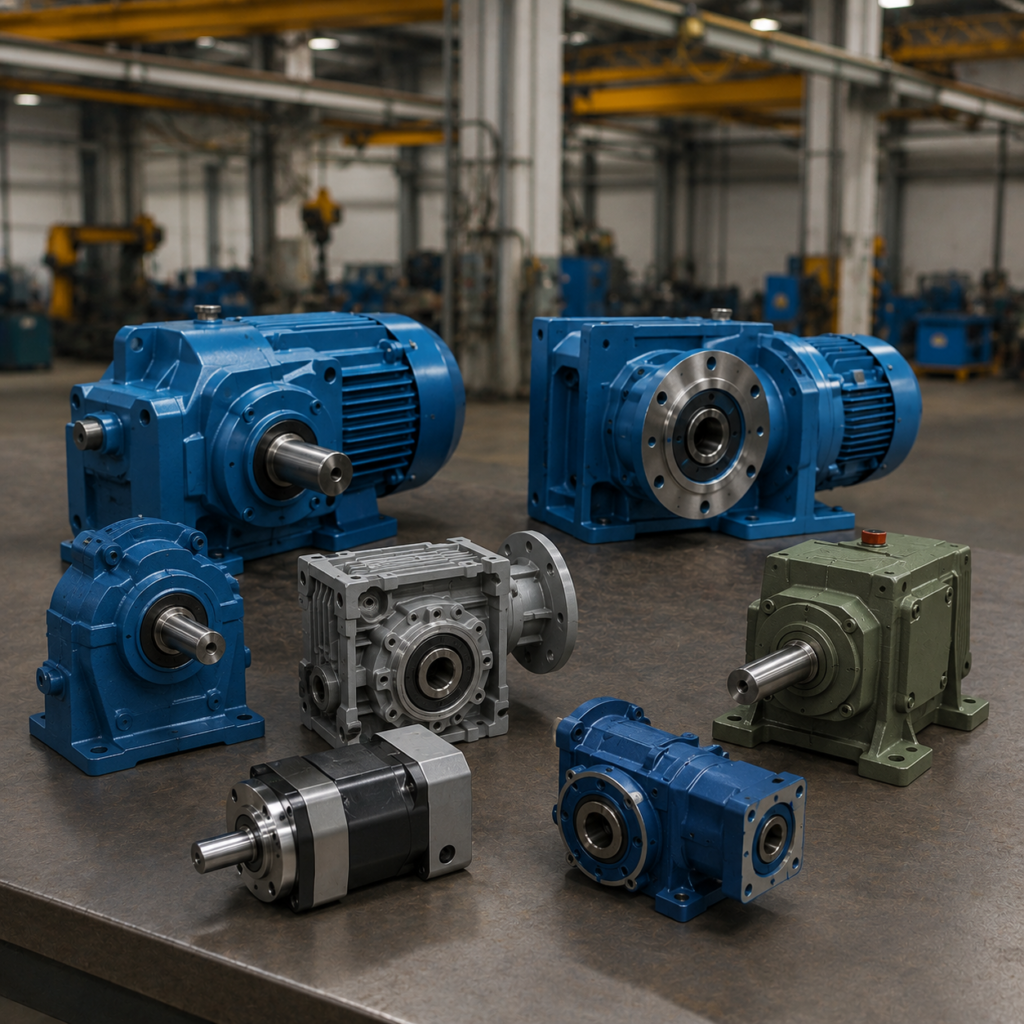
Understanding Different Types of Industrial Gearboxes

Understanding Different Types of Industrial Gearboxes Gearboxes are essential components used to control speed and torque in industrial machinery. Common types include: Helical Gearboxes Worm Gearboxes Inline Gearboxes Planetary Gearboxes Each gearbox type is designed for specific industrial applications depending on load requirements, efficiency, and operational conditions. Understanding Different Types of Industrial Gearboxes Gearboxes are essential components used to control speed and torque in industrial machinery. Common types include: Helical Gearboxes Worm Gearboxes Inline Gearboxes Planetary Gearboxes Each gearbox type is designed for specific industrial applications depending on load requirements, efficiency, and operational conditions.

Blogs

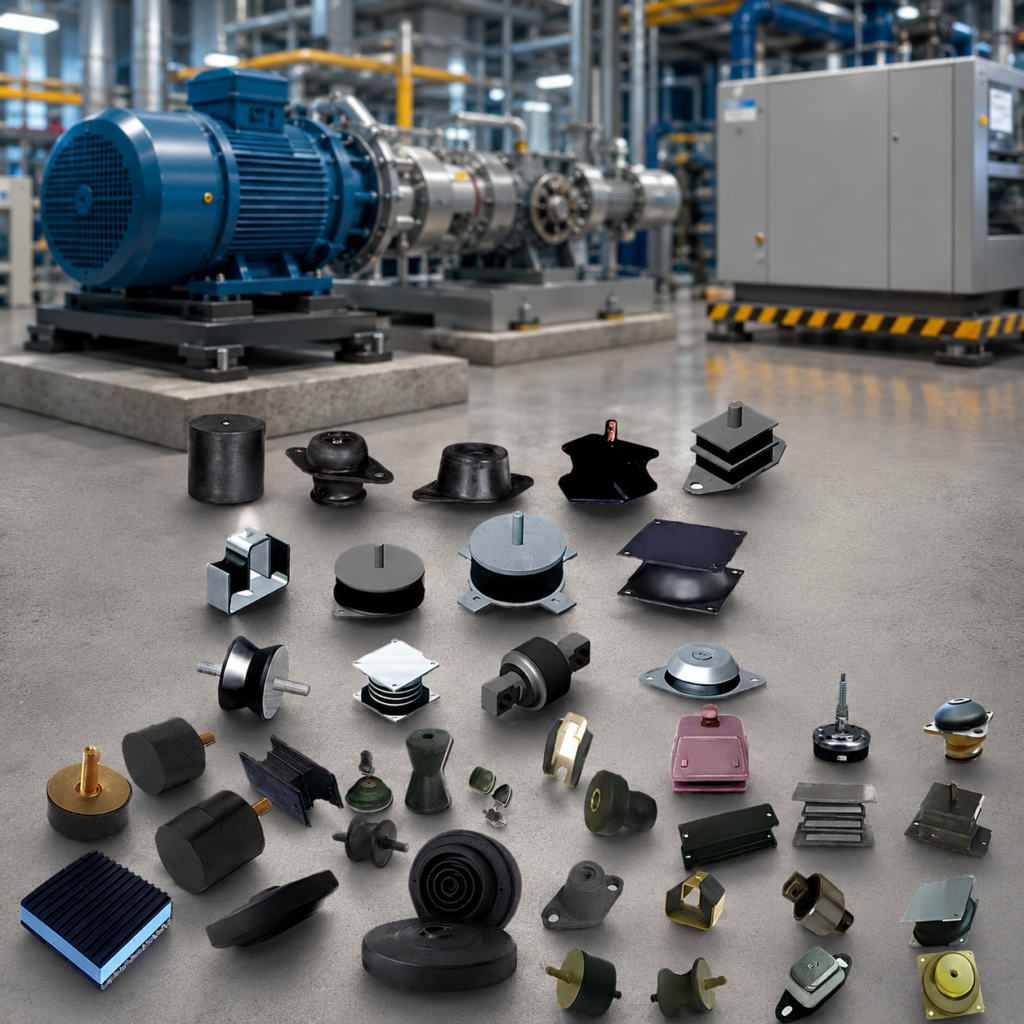
Importance of Anti-Vibration Pads in Industrial Machinery

Anti-Vibration Pads in Industrial Machinery ndustrial machines generate vibrations that can affect performance, safety, and equipment lifespan. Anti-vibration pads help reduce noise, absorb shocks, and protect machinery foundations. Benefits include: Reduced machine wear and tear Improved workplace safety Lower operational noise Increased equipment life Better machine stability Using high-quality anti-vibration solutions can significantly improve machine performance in industrial environments. Importance of Anti-Vibration Pads in Industrial Machinery Industrial machines generate vibrations that can affect performance, safety, and equipment lifespan. Anti-vibration pads help reduce noise, absorb shocks, and protect machinery foundations. Benefits include: Reduced machine wear and tear Improved workplace safety Lower operational noise Increased equipment life Better machine stability Using high-quality anti-vibration solutions can significantly improve machine performance in industrial environments.

Blogs

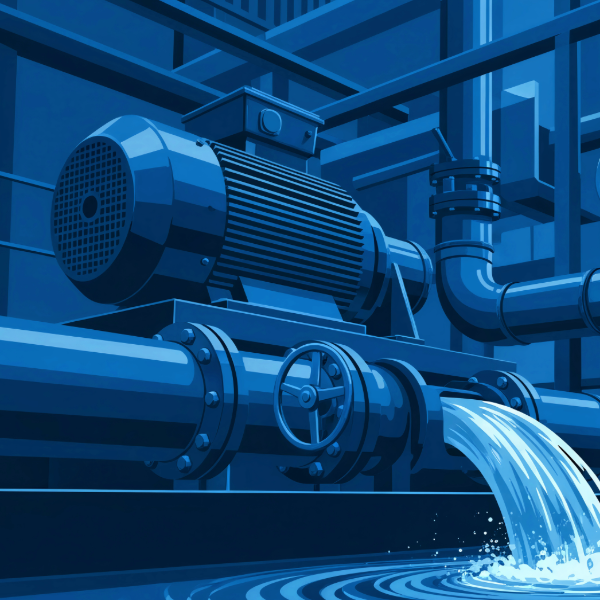
Choosing the Right Industrial Water Pump for Your Business

Choosing the Right Industrial Water Pump for Your Business Industrial water pumps play a critical role in manufacturing, construction, water treatment, and industrial operations. Choosing the right pump depends on factors such as flow rate, pressure requirements, fluid type, and operating environment. Key factors to consider: Pump capacity and efficiency Energy consumption Material compatibility Maintenance requirements Long-term durability Selecting the correct industrial pump helps improve productivity, reduce downtime, and optimize operational efficiency. Choosing the Right Industrial Water Pump for Your Business Industrial water pumps play a critical role in manufacturing, construction, water treatment, and industrial operations. Choosing the right pump depends on factors such as flow rate, pressure requirements, fluid type, and operating environment. Key factors to consider: Pump capacity and efficiency Energy consumption Material compatibility Maintenance requirements Long-term durability Selecting the correct industrial pump helps improve productivity, reduce downtime, and optimize operational efficiency.

Scroll to Top